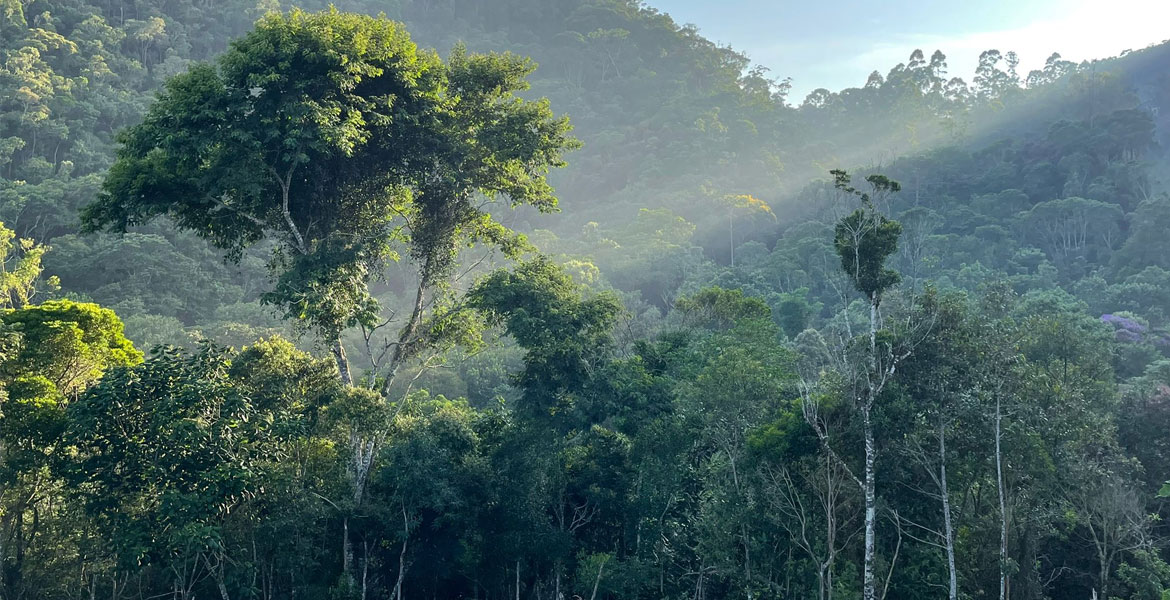
The Atlantic Forest, known as Mata Atlântica in Portuguese, is one of the most diverse and ecologically important forests in the world. Stretching along the Atlantic coast of Brazil, it harbors an incredible array of plant and animal species, many of which are found nowhere else on Earth. However, this unique ecosystem is under severe threat due to deforestation and habitat destruction. Reforesting and preserving the Atlantic Forest is not just a local responsibility but a global imperative for the survival of countless species and the health of our planet.
The Global Importance of the Atlantic Forest
The Atlantic Forest is a biodiversity hotspot, home to over 20,000 plant species, 1,000 bird species, and hundreds of mammals, reptiles, and amphibians (Ribeiro et al., 2009). This rich biodiversity provides essential ecosystem services, including water regulation, climate stabilization, and carbon sequestration. The forest also supports the livelihoods of millions of people who depend on its resources for food, medicine, and economic activities.
The Threats
Sadly, the Atlantic Forest has been reduced to less than 12% of its original size due to centuries of logging, agriculture, and urbanization (SOS Mata Atlântica, 2021). This extensive deforestation has led to severe habitat fragmentation, threatening the survival of many species and disrupting the ecological balance.
The Global Relevance of Reforesting
Reforesting the Atlantic Forest is crucial for several reasons that resonate globally:
1. Biodiversity Conservation: Reforestation efforts help restore habitats for endangered species, promoting biodiversity and ecosystem resilience. This is critical not only for local species but for global biodiversity.
2. Climate Mitigation: Trees absorb carbon dioxide, a major greenhouse gas, thereby helping to mitigate climate change. According to the Intergovernmental Panel on Climate Change (IPCC), reforesting degraded lands can significantly contribute to global carbon sequestration efforts (IPCC, 2019).
3. Water Regulation: The Atlantic Forest plays a key role in regulating water cycles, ensuring the availability of clean water for millions of people. This has implications for water security beyond Brazil’s borders.
4. Soil Preservation: Trees prevent soil erosion, maintaining soil fertility and preventing landslides, which can have far-reaching effects on agricultural productivity and food security.
Preservation Efforts
Preserving the remaining fragments of the Atlantic Forest is equally important. Protected areas, sustainable land-use practices, and conservation policies are essential to safeguard this critical biome. Community involvement and education are also key components in fostering a culture of conservation and sustainable use of forest resources.
Reforesting and preserving the Atlantic Forest requires a collective effort from governments, organizations, and individuals worldwide. Here are some ways we can all contribute:
1. Support Reforestation Projects: Donate to or volunteer with organizations dedicated to reforesting the Atlantic Forest. Every tree planted makes a difference.
2. Promote Sustainable Practices: Advocate for and adopt sustainable agricultural and land-use practices that minimize deforestation.
3. Raise Awareness: Educate others about the importance of the Atlantic Forest and the urgent need for its preservation. Share information through social media, community events, and educational programs.
4. Participate in Conservation Programs: Engage in local and global conservation programs and initiatives aimed at protecting and restoring the forest.
Global Perspective and Responsibility
The preservation of the Atlantic Forest is not just a regional concern but a matter of global significance. As the renowned environmentalist Wangari Maathai once said, 'The generation that destroys the environment is not the generation that pays the price. That is the problem' (Maathai, 2004). This sentiment underscores the shared responsibility we all have in ensuring the health of our planet.
The Atlantic Forest is a treasure trove of biodiversity and an essential component of our planet's ecological health. Reforesting and preserving this unique ecosystem is a global imperative that requires our immediate attention and action. By working together across borders, we can mitigate the impacts of climate change and create a sustainable future for all.
Let us act now to protect our planet for future generations.
References
Intergovernmental Panel on Climate Change (IPCC). (2019). Climate Change and Land: An IPCC Special Report on Climate Change, Desertification, Land Degradation, Sustainable Land Management, Food Security, and Greenhouse Gas Fluxes in Terrestrial Ecosystems. Retrieved from https://www.ipcc.ch/srccl/ (https://www.ipcc.ch/srccl/)
Ribeiro, M. C., Metzger, J. P., Martensen, A. C., Ponzoni, F. J., & Hirota, M. M. (2009). The Brazilian Atlantic Forest: How much is left, and how is the remaining forest distributed? Implications for conservation. Biological Conservation, 142(6), 1141-1153.
SOS Mata Atlântica. (2021). Atlas dos Remanescentes Florestais da Mata Atlântica. Retrieved from https://www.sosma.org.br/projeto/atlas-da-mata-atlantica/ (https://www.sosma.org.br/projeto/atlas-da-mata-atlantica/)
Maathai, W. (2004). The Green Belt Movement: Sharing the Approach and the Experience. Lantern Books.
Fonte:
Alma e Natureza
<< Voltar