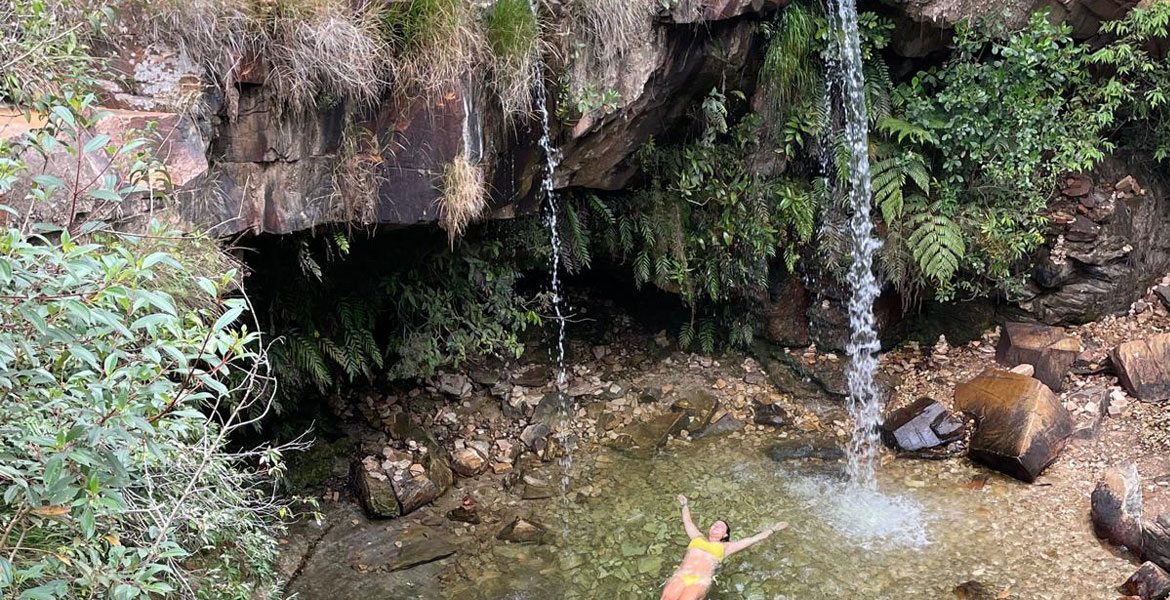
In the hustle and bustle of modern life, it's easy to forget the profound impact that nature has on our health and well-being. At Alma e Natureza, we believe that reconnecting with nature is not just beneficial but essential for a healthier, happier life. Here’s how immersing ourselves in nature can transform our physical and mental health.
The Healing Power of Green Spaces
'Nature itself is the best physician.' - Hippocrates
Studies have shown that spending time in green spaces, such as parks, forests, and gardens, can reduce stress, lower blood pressure, and improve overall mood. The World Health Organization (WHO, 2016) states, 'Green spaces can help to reduce health inequities, improve well-being, and aid in the treatment of mental illness.' According to a study published in the Journal of Environmental Psychology, just a 30-minute walk in a park can significantly reduce levels of cortisol, the stress hormone, promoting a sense of calm and relaxation (Ulrich et al., 1991).
Boosting Physical Health
'Walk in nature and feel the healing power of the trees.' - Unknown
Nature is the ultimate gym. Engaging in outdoor activities like hiking, cycling, or even a leisurely walk can have numerous physical health benefits. Exposure to natural sunlight helps our bodies produce vitamin D, which is crucial for bone health and immune function (Holick, 2004). Additionally, outdoor exercise can improve cardiovascular health, increase stamina, and aid in weight management. Regular interaction with nature can also lead to a reduction in chronic diseases like obesity and diabetes, promoting a healthier lifestyle overall. The WHO (2018) emphasizes, 'Physical activity, including walking and cycling, can significantly reduce the risk of cardiovascular diseases, diabetes, and certain cancers.'
Enhancing Mental Well-being
'In every walk with nature, one receives far more than he seeks.' - John Muir
Nature has a profound in effect on our mental health. The sights, sounds, and smells of the natural world can enhance cognitive function, increase creativity, and reduce symptoms of depression and anxiety. Forest bathing, or 'shinrin-yoku,' a practice that originated in Japan, involves spending time in a forest environment to promote mental and emotional well-being. Research published in Environmental Health and Preventive Medicine has shown that this practice can lead to a decrease in anxiety, depression, and anger, while boosting mood and feelings of vitality (Park et al., 2010). According to the WHO (2019), 'Exposure to natural environments can have direct and positive impacts on mental health.'
Building Community and Connection
'Alone we can do so little; together we can do so much.' - Helen Keller
At Alma e Natureza, we advocate for community-based environmental activities. Gardening, community clean-ups, and nature walks not only promote physical health but also foster a sense of community and belonging. These activities encourage social interaction, reduce feelings of isolation, and build a supportive network of like-minded individuals. Community engagement in nature-based activities can strengthen social ties and enhance collective well-being. The WHO (2017) notes, 'Social support networks, whether formal or informal, are a significant factor in promoting health and well-being.'
Sustainable Living for a Healthier Future
'The greatest threat to our planet is the belief that someone else will save it.' - Robert Swan
Embracing a lifestyle that is in harmony with nature also means adopting sustainable practices. Reducing waste, conserving water, and using eco-friendly products contribute to a healthier planet, which in turn supports our well-being. By making conscious choices, we can reduce our ecological footprint and ensure a healthier environment for future generations. Sustainable living not only benefits the planet but also improves our quality of life by fostering a sense of responsibility and connection to the earth. The WHO (2018) asserts, 'Sustainable development is a key factor in achieving overall health and well-being for all.'
'Never doubt that a small group of thoughtful, committed citizens can change the world; indeed, it is the only thing that ever has.' - Margaret Mead
Help us continue our efforts to build a solid foundation for a sustainable future. Your donations support our operations, fund technical visits, create educational resources, and cover vital expenses.
References
Holick, M. F. (2004). Vitamin D: importance in the prevention of cancers, type 1 diabetes, heart disease, and osteoporosis. The American Journal of Clinical Nutrition, 79(3), 362-371.
Park, B. J., Tsunetsugu, Y., Kasetani, T., Kagawa, T., & Miyazaki, Y. (2010). The physiological effects of Shinrin-yoku (taking in the forest atmosphere or forest bathing): Evidence from field experiments in 24 forests across Japan. Environmental Health and Preventive Medicine, 15(1), 18-26.
Ulrich, R. S., Simons, R. F., Losito, B. D., Fiorito, E., Miles, M. A., & Zelson, M. (1991). Stress recovery during exposure to natural and urban environments. Journal of Environmental Psychology, 11(3), 201-230.
World Health Organization. (2016). Urban green spaces and health. Retrieved from https://www.euro.who.int/__data/assets/pdf_file/0005/321971/Urban-green-spaces-and-health-review-evidence.pdf (https://www.euro.who.int/__data/assets/pdf_file/0005/321971/Urban-green-spaces-and-health-review-evidence.pdf)
World Health Organization. (2017). Social determinants of health. Retrieved from https://www.who.int/social_determinants/en/ (https://www.who.int/social_determinants/en/)
World Health Organization. (2018). Physical activity. Retrieved from https://www.who.int/news-room/fact-sheets/detail/physical-activity (https://www.who.int/news-room/fact-sheets/detail/physical-activity)
World Health Organization. (2019). Mental health in the workplace. Retrieved from https://www.who.int/mental_health/in_the_workplace/en/ (https://www.who.int/mental_health/in_the_workplace/en/)
Fonte:
Alma e Natureza
<< Voltar